Exploring the realm of verifying licenses for roofing and siding companies near you, this introduction sets the stage for an enlightening journey through the importance and methods of validation. Dive in to uncover essential insights that will empower you in making informed decisions for your next project.
In the subsequent paragraphs, you will find a detailed breakdown of the steps involved in verifying licenses, red flags to watch out for, and the critical aspect of insurance coverage.
Understanding the Importance of License Verification
When it comes to hiring roofing and siding companies for your home improvement projects, verifying their licenses is crucial for several reasons.
Risks of Hiring Unlicensed Contractors
1. Legal Issues: Unlicensed contractors may not have the proper permits or insurance, putting you at risk of liability if accidents occur on your property.
2. Poor Workmanship: Unlicensed contractors may lack the necessary skills and expertise, leading to subpar work that could result in costly repairs down the line.
3. No Recourse: If something goes wrong with the project or if the contractor fails to complete the work, you may have limited legal recourse against unlicensed contractors.
Benefits of Choosing Licensed Companies
1. Quality Assurance: Licensed companies are required to meet certain standards and regulations, ensuring that they deliver high-quality workmanship.
2. Insurance Coverage: Licensed contractors typically carry insurance that protects you and your property in case of accidents or damages during the project.
3. Professionalism: Licensed companies are more likely to adhere to professional standards and ethical practices, providing you with peace of mind throughout the project.
Ways to Verify Licenses
When it comes to hiring roofing and siding companies, verifying their licenses is crucial to ensure you are working with a reputable and qualified business. Here is a step-by-step guide on how to check the license status of roofing and siding companies:
Online Databases
One of the most convenient ways to verify a company's license is by checking online databases provided by licensing boards or government agencies. You can search for the company's name or license number to confirm their current status.
Contacting Licensing Boards
Another method is to directly contact the licensing board in your state or region. You can inquire about the company's license status and request any additional information you may need to validate their credentials.
Requesting Copies of Licenses
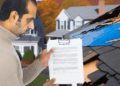
If you prefer a more hands-on approach, you can ask the roofing or siding company to provide you with copies of their licenses. This way, you can physically inspect the documents and ensure they are valid and up to date.
Reliability of Verification Methods
While online databases offer quick access to license information, they may not always be updated in real-time. Contacting licensing boards directly can provide more accurate and detailed information, but it may take longer to receive a response. Requesting copies of licenses allows you to have physical proof of the company's credentials, but it may require more effort on your part.
Red Flags to Watch Out For
When hiring a roofing or siding company, it is crucial to be vigilant for red flags that may indicate the company is not operating with a valid license. Here are some common signs to watch out for:Operating Without a Valid License
- Unwillingness to provide license information: A reputable company should readily provide their license number for verification. If a company avoids sharing this information, it could be a red flag.
- Offering significantly lower prices: Companies operating without a license may lure customers with extremely low prices to compensate for their lack of credibility. Be cautious of deals that seem too good to be true.
- Lack of professional documentation: Legitimate companies will have proper documentation, including contracts, insurance certificates, and permits. If a company cannot provide these documents, it may be a warning sign.
Consequences of Hiring Unlicensed Contractors
- Legal issues and liabilities: If you hire an unlicensed contractor for your roofing or siding project, you may face legal repercussions and be held liable for any accidents or damages that occur during the job.
- Poor workmanship and substandard materials: Unlicensed contractors may cut corners, leading to poor quality work and the use of substandard materials that can compromise the integrity of your roof or siding.
- No recourse for disputes: Without a valid license, it can be challenging to hold an unlicensed contractor accountable for any issues that arise after the project is completed. You may have no recourse for disputes or warranty claims.
Spotting Fraudulent License Information
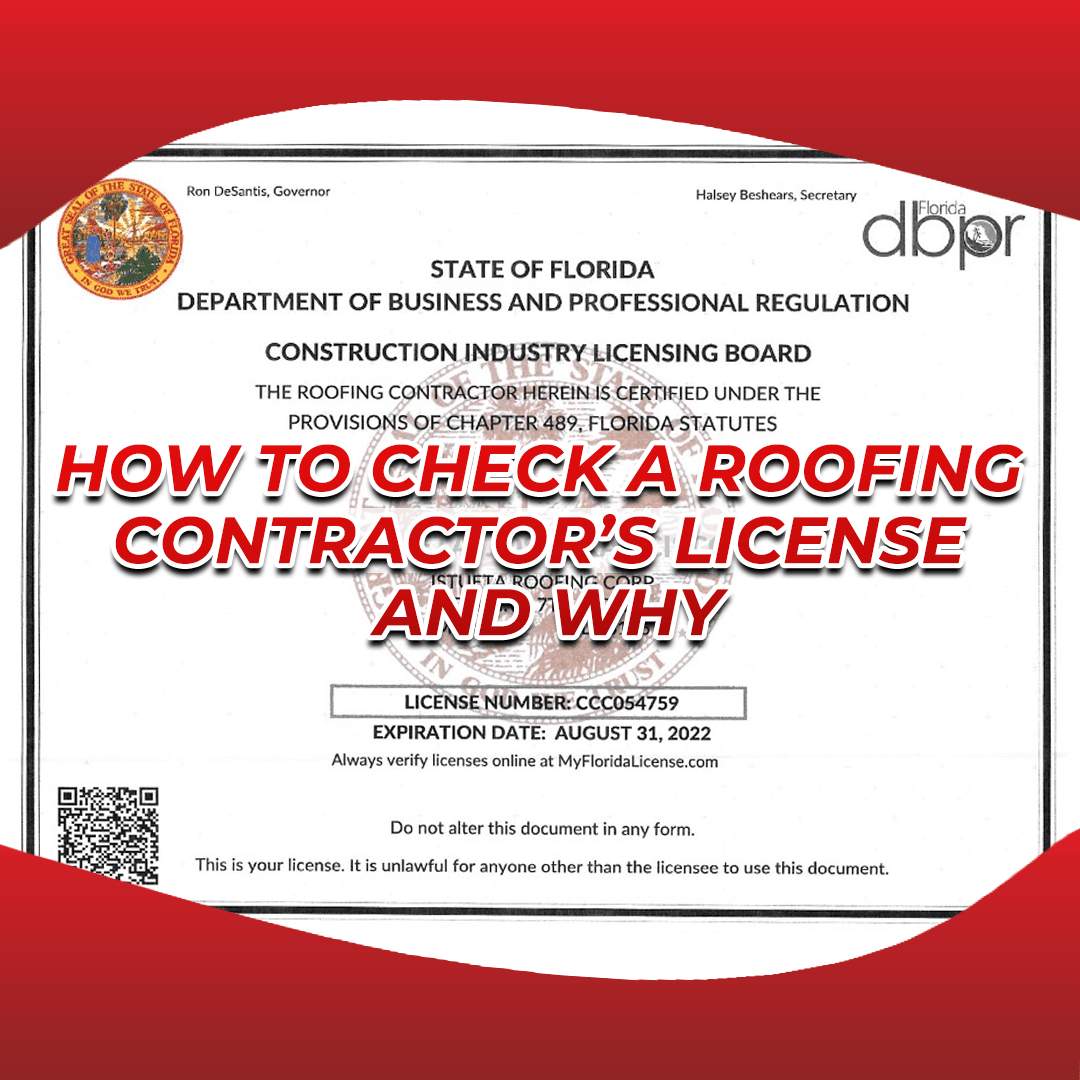
- Verify license numbers: Cross-check the license number provided by the company with the relevant licensing authority to ensure its validity. Be wary of companies that provide false or misleading license information.
- Check for expiration dates: Licenses have expiration dates, so make sure the company's license is current and not expired. An expired license could indicate that the company is no longer in compliance with regulations.
- Research company reputation: Look up reviews, testimonials, and ratings for the roofing or siding company to see if there are any complaints or warnings about their license status. A lack of information or negative reviews could be a red flag.
Verifying Insurance Coverage
When hiring roofing and siding companies, it is crucial to not only verify their licenses but also their insurance coverage. Insurance provides protection for both the workers and homeowners in case of accidents or damages during the project.
Checklist of Insurance Documents
Before starting a project, make sure to request and verify the following insurance documents from the roofing and siding company:
- General Liability Insurance: This covers property damage and bodily injury caused by the company's work.
- Worker's Compensation Insurance: Protects workers in case of injuries on the job.
- Auto Insurance: Necessary if company vehicles will be used on the project site.
Implications of Insufficient Insurance Coverage
Hiring a company with insufficient or expired insurance coverage can leave you vulnerable to financial liability in case of accidents or damages during the project. Always ensure that the insurance coverage is up-to-date and adequate to protect both parties involved.
Ending Remarks
As we conclude this discussion on verifying licenses for roofing and siding companies nearby, remember that knowledge is key in safeguarding your investments. Stay vigilant, stay informed, and pave the way for successful and stress-free projects.
Answers to Common Questions
What are the risks of hiring unlicensed roofing and siding contractors?
Unlicensed contractors may deliver subpar work, lack insurance coverage, and expose you to legal liabilities in case of accidents.
How can I verify the license status of a roofing or siding company?
You can check online databases, contact licensing boards, or request copies of licenses to ensure validity.
What are common red flags that indicate a company is unlicensed?
Signs include reluctance to provide license information, extremely low prices, and lack of professional documentation.
Why is it crucial to verify insurance coverage in addition to licenses?
Valid insurance protects you from liabilities in case of accidents or damages during the project, ensuring peace of mind.