Embark on a journey of exploring the material costs for brand new siding and gutters in 2026. Delve into the key factors, types of materials available, cost-benefit analysis, and regional variations to gain a deeper insight into this topic.
Factors affecting material costs for brand new siding and gutters in 2026
When considering the material costs for brand new siding and gutters in 2026, several key factors come into play that influence the pricing of these materials. Advancements in technology also play a significant role in determining the costs of siding and gutter materials. To predict the material costs for 2026, it is essential to compare pricing trends from previous years and analyze how they might impact the upcoming costs.
Advancements in Technology
Technological advancements have a direct impact on the pricing of siding and gutter materials. Innovations in manufacturing processes, materials engineering, and installation techniques can lead to the development of new, more efficient products. These advancements may result in higher material costs initially, but over time, increased competition and economies of scale could drive prices down.
Comparing Pricing Trends
By analyzing the pricing trends of siding and gutter materials from previous years, we can make informed predictions about the costs in 2026. Factors such as inflation rates, changes in raw material prices, and market demand can all influence the pricing of these materials. It is crucial to consider these trends and fluctuations to estimate the potential costs for brand new siding and gutters in 2026.
Types of siding and gutter materials available in 2026
In 2026, homeowners have a variety of siding and gutter materials to choose from when renovating or building a home. Each material comes with its unique characteristics, durability, maintenance requirements, and environmental impact.Siding Materials
- Vinyl: Vinyl siding is a popular choice due to its affordability, low maintenance, and versatility in colors and styles. It is durable and resistant to rotting, warping, and pests.
- Fiber Cement: Fiber cement siding offers excellent durability and resistance to fire, moisture, and insects. It can mimic the look of wood or stucco but requires regular painting or sealing.
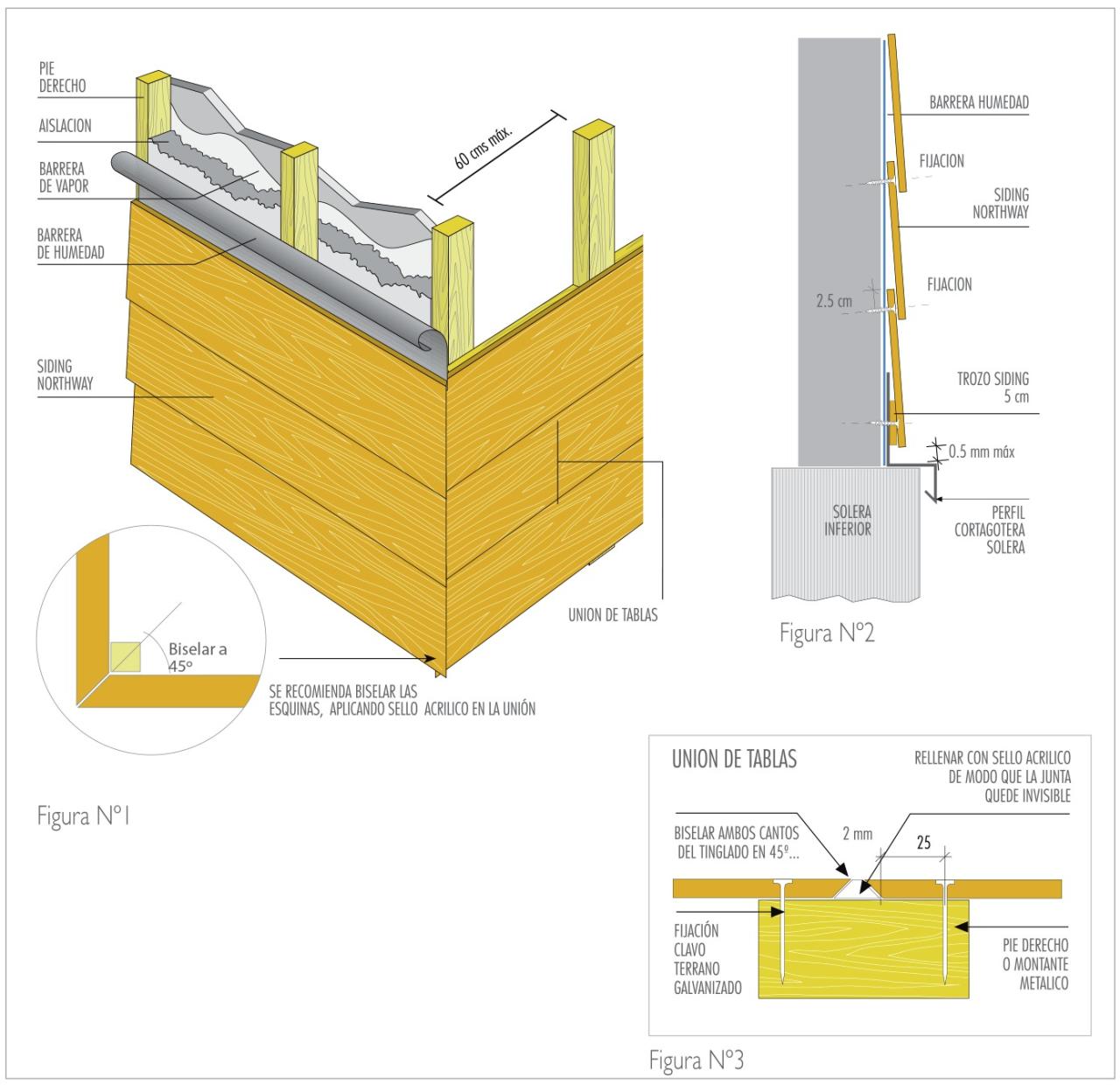
- Wood: Wood siding provides a natural and timeless aesthetic. While it requires more maintenance in terms of staining or painting to prevent rot and pest infestation, it offers a unique charm that many homeowners appreciate.
- Metal: Metal siding, such as aluminum or steel, is known for its durability and resistance to elements like fire and insects. It can be more expensive upfront but requires minimal maintenance over time.
Gutter Materials
- Aluminum: Aluminum gutters are lightweight, cost-effective, and resistant to rust. They are easy to install and require minimal maintenance.
- Copper: Copper gutters are durable, adding a touch of elegance to the home. While more expensive upfront, they develop a natural patina over time and require little maintenance.
- Steel: Steel gutters are strong and long-lasting, suitable for areas with harsh weather conditions. They are prone to rust but can be coated to enhance durability.
It is essential for homeowners to consider the longevity, maintenance needs, and aesthetic appeal of siding and gutter materials when making their selection.
Environmental Impact
- Choosing eco-friendly siding materials like fiber cement or wood can reduce the overall environmental impact of a home renovation or construction project.
- Opting for recyclable materials or those with high energy efficiency can contribute to sustainability efforts and reduce the carbon footprint of the property.
Cost-benefit analysis of different siding and gutter materials
When considering the cost-benefit analysis of different siding and gutter materials, it is crucial to look beyond the initial investment and assess the long-term implications of your choices. This involves evaluating factors such as energy efficiency, lifespan, and maintenance requirements.
Long-term cost implications of siding materials
- Vinyl siding, while initially affordable, may require more frequent replacement compared to fiber cement or brick siding, leading to higher long-term costs.
- Fiber cement siding is durable and low maintenance, reducing the need for repairs and replacements over time, ultimately saving money in the long run.
- Brick siding, although more expensive upfront, has a long lifespan and requires minimal maintenance, offering significant cost savings over the years.
Energy efficiency of siding materials
- Insulated siding materials, such as foam-backed vinyl or insulated fiber cement, can improve the energy efficiency of your home by reducing heat loss, resulting in lower heating and cooling costs.
- Brick siding provides excellent thermal mass, helping regulate indoor temperatures and reducing the need for excessive heating or cooling, leading to energy savings.
- Wood siding, while aesthetically pleasing, may require more maintenance to ensure proper insulation and energy efficiency, potentially increasing long-term costs.
Return on investment for gutter materials
- Aluminum gutters are cost-effective and durable, offering a good return on investment due to their longevity and low maintenance requirements.
- Copper gutters, although more expensive upfront, have a long lifespan and require minimal maintenance, making them a worthwhile investment in the long term.
- Vinyl gutters are affordable but may need more frequent replacements, leading to higher long-term costs compared to more durable materials like aluminum or copper.
Regional variations in material costs for siding and gutters in 2026
Regional location plays a significant role in determining the costs of siding and gutter materials in 2026. Factors such as availability, demand, transportation costs, and local regulations can all impact the pricing.
Urban vs. Rural Pricing
When comparing urban and rural areas, we often see differences in material costs for siding and gutters due to various factors.
- Urban areas tend to have higher demand for construction materials, leading to increased prices.
- Rural areas may have limited access to certain materials, resulting in higher transportation costs and ultimately higher prices.
- Local regulations in urban areas might also mandate specific materials or higher quality standards, affecting the overall cost.
Availability and Cost Influences
The availability of specific siding and gutter materials can vary greatly depending on location, impacting their costs.
For example, areas close to manufacturing facilities may have lower costs due to reduced transportation expenses.
Regions prone to extreme weather conditions may require more durable materials, which can be more expensive.
Conclusive Thoughts
In conclusion, the comparison of material costs for brand new siding and gutters in 2026 sheds light on the complexities of decision-making when it comes to home improvement projects. By understanding the various factors at play, individuals can make informed choices that align with their budget and preferences.
Common Queries
What are the key factors influencing material costs for siding and gutters in 2026?
The key factors include advancements in technology, pricing trends from previous years, and geographical location.
How does the environmental impact vary among different siding and gutter materials?
Environmental impact varies based on the type of material used, with some being more eco-friendly than others.
What is the long-term cost implication of choosing different siding materials?
Choosing durable siding materials may lead to lower maintenance costs in the long run.