Embark on a journey through the essentials of preparing for roofing and siding installations near you with our comprehensive guide. From finding the right contractors to understanding materials and budgeting, this guide covers it all.
Delve into the intricacies of each step to ensure a smooth and successful home improvement project.
Researching Roofing and Siding Companies Near Me
When it comes to preparing for roofing and siding installations, finding the right company is crucial. Here are some tips on how to research roofing and siding companies near you.Find Reputable Companies
- Look for companies with a good reputation in your local area.
- Check online reviews and ratings on websites like Yelp or Google.
- Ask for recommendations from neighbors, friends, or family members who have had similar work done.
Check for Licenses, Insurance, and Warranties
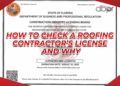
- Ensure the company is licensed to operate in your area.
- Verify that they have insurance coverage to protect you and their workers in case of accidents.
- Ask about warranties on their workmanship and materials to ensure you are covered in the long run.
Understanding Roofing and Siding Materials
When it comes to roofing and siding materials, there are various options available, each with its own set of advantages and disadvantages. It is essential to understand the different types of materials to make an informed decision for your home.Roofing Materials
- Asphalt Shingles: One of the most popular roofing materials due to its affordability and easy installation. However, they may have a shorter lifespan compared to other options.
- Metal Roofing: Known for its durability and energy efficiency, metal roofing can last for decades with minimal maintenance. It is also fire-resistant.
- Wood Shakes: Aesthetic and natural-looking, wood shakes offer a unique charm to a home. However, they require regular maintenance to prevent rot and mold.
- Clay Tiles: Durable and long-lasting, clay tiles are suitable for homes with a Mediterranean or Spanish style. They are also resistant to fire and insect damage.
Siding Materials
- Vinyl Siding: Affordable and low-maintenance, vinyl siding is available in a wide range of colors and styles. It is resistant to rot, fading, and insect damage.
- Wood Siding: Known for its natural beauty and versatility, wood siding can enhance the curb appeal of a home. However, it requires regular painting or staining to maintain its appearance.
- Fiber Cement Siding: Durable and resistant to fire, moisture, and insects, fiber cement siding is a popular choice for homeowners looking for a low-maintenance option. It can mimic the look of wood or stucco.
Durability and Maintenance
- Roofing Materials: The durability of roofing materials varies depending on the type chosen. It is essential to consider factors such as climate, maintenance requirements, and lifespan when selecting a roofing material.
- Siding Materials: Different siding materials have varying levels of durability and maintenance needs. While some materials may require regular painting or sealing, others are designed to be low-maintenance and long-lasting.
Budgeting and Financing for Roofing and Siding Projects
 When it comes to roofing and siding projects, budgeting and financing play a crucial role in ensuring a successful and cost-effective installation process. By carefully planning and managing your finances, you can make informed decisions that will help you achieve the desired results without breaking the bank.
Creating a Budget for Roof and Siding Installations
Creating a budget for your roofing and siding project is the first step towards a successful installation. Consider factors such as the size of your home, the materials needed, labor costs, and any additional expenses that may arise during the project. It's essential to set a realistic budget that takes into account all these factors to avoid overspending.- Research the average costs of roofing and siding materials in your area to get an idea of how much you should allocate for these expenses.
- Get quotes from multiple roofing and siding companies to compare prices and choose the most cost-effective option.
- Include a buffer in your budget for unexpected expenses that may arise during the project.
Remember, it's better to overestimate your budget than to be caught off guard by unexpected costs.
Financing Options for Roofing and Siding Projects
When it comes to financing your roofing and siding project, there are several options available to homeowners to help ease the financial burden.- Consider taking out a home improvement loan to cover the costs of the project. These loans typically have lower interest rates than credit cards and can be paid off over time.
- Some roofing and siding companies offer payment plans that allow you to spread out the cost of the project over several months or years.
- Check if your homeowner's insurance policy covers roof and siding damage caused by natural disasters or accidents. This can help offset some of the costs of repair or replacement.
Exploring different financing options can help you find the best solution that fits your budget and allows you to complete your roofing and siding project without financial stress.
Tips for Saving Money Without Compromising Quality
Saving money on your roofing and siding project doesn't mean sacrificing quality. With some strategic planning and smart decisions, you can achieve a high-quality installation while staying within your budget- Consider using alternative roofing and siding materials that are more budget-friendly but still durable and aesthetically pleasing.
- Plan your project during the off-season when contractors may offer discounts or promotions to attract more customers.
- Do some of the prep work yourself, such as removing old shingles or siding, to reduce labor costs.
By being proactive and resourceful, you can save money on your roofing and siding project without compromising on the final result.
Preparing Your Home for Roofing and Siding Installations
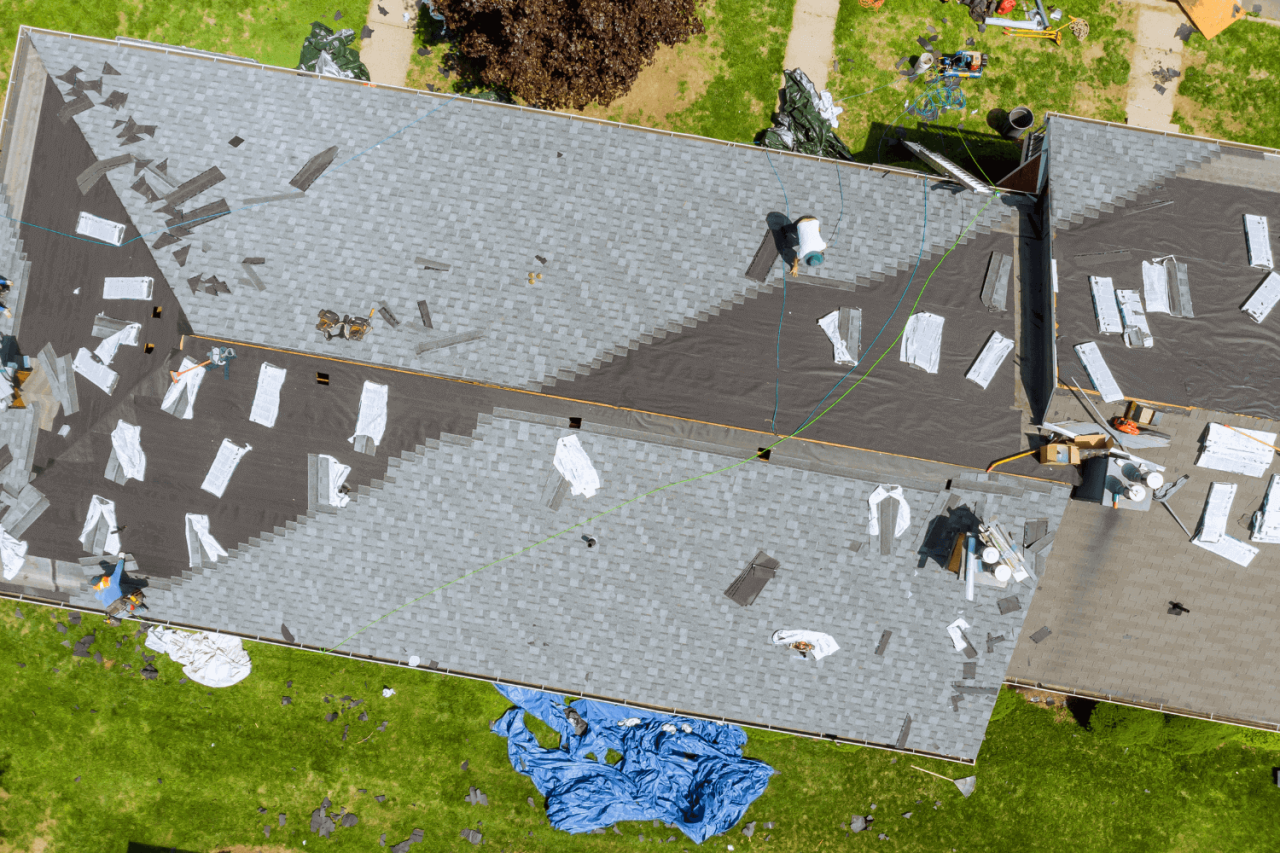 When getting ready for roofing and siding installations, homeowners need to take certain steps to ensure the process goes smoothly and safely. It is crucial to prepare the property properly to avoid any potential problems during the project.
Clearing the Work Area
- Remove any obstacles or debris from the work area to provide easy access for the installation crew.
- Clean out gutters and downspouts to prevent any blockages that could impede the installation process.
- Ensure there is enough space around the perimeter of the house for equipment and materials to be stored.
Protecting Landscaping
- Trim back any trees or bushes that could interfere with the installation or cause damage to the new roofing or siding.
- Cover delicate plants or flowers near the work area to shield them from debris and foot traffic.
- Discuss with the installation crew about any specific landscaping concerns you may have.
Ensuring Safety Measures
- Secure any pets or children indoors during the installation to prevent accidents or injuries.
- Mark off hazardous areas or potential tripping hazards around the property to alert the crew and prevent accidents.
- Follow any safety guidelines provided by the roofing and siding company to maintain a secure work environment.
Specific Requirements for Installation
Depending on the type of roofing or siding materials being installed, there may be specific requirements or considerations to keep in mind. It is essential to communicate with the installation team and follow any guidelines they provide to ensure a successful project.
Working with Contractors and Understanding Contracts
Effective communication with contractors plays a crucial role in ensuring a successful roofing and siding installation process. It is essential to establish clear lines of communication to avoid misunderstandings and ensure that the project progresses smoothly.What should be included in a contract with a roofing or siding company
When entering into a contract with a roofing or siding company, it is important to ensure that certain key details are included to protect both parties involved. The contract should Artikel the scope of work, materials to be used, project timeline, payment schedule, warranties, and any other specific expectations or requirements.- Scope of work: Clearly define the work to be done, including the specific tasks involved in the roofing or siding installation.
- Materials: Specify the type and quality of materials to be used for the project, ensuring that they meet your expectations and requirements.
- Project timeline: Establish a realistic timeline for the project, including start and completion dates, to ensure that the work is completed in a timely manner.
- Payment schedule: Detail the payment schedule, including deposit amounts, milestone payments, and the final payment upon project completion.
- Warranties: Include information about any warranties provided by the roofing or siding company for their workmanship and materials used.
The importance of timelines, payment schedules, and project milestones in the contract
Timelines, payment schedules, and project milestones are critical components of a contract with a roofing or siding company. These details help to ensure that the project stays on track, payments are made promptly, and both parties are clear on the expectations and requirements for the project.- Timelines: Setting clear timelines in the contract helps to keep the project on schedule and allows for proper planning and coordination of resources.
- Payment schedules: A well-defined payment schedule ensures that payments are made in a timely manner as the project progresses, helping to maintain a positive working relationship between the homeowner and the contractor.
- Project milestones: Establishing project milestones helps to track progress and ensure that key objectives are met at each stage of the project, providing a sense of accomplishment and direction for all parties involved.
Last Word
In conclusion, being well-prepared and informed is key to a successful roofing and siding project. By following the guidelines Artikeld in this guide, homeowners can navigate the process with confidence and achieve their desired results.
FAQ Summary
How can I find reputable roofing and siding companies near me?
To find reputable companies, read reviews, get recommendations from neighbors or friends, and ensure they have the necessary licenses, insurance, and warranties.
What are some financing options available for roofing and siding projects?
Financing options include loans, payment plans, and insurance coverage. Explore these to determine the best fit for your budget.
What are the common types of roofing materials available for installation?
Common roofing materials include asphalt shingles, metal roofing, and clay tiles, each with its own advantages and suitability for different climates.
How can I prepare my home for roofing and siding installations?
Prepare by clearing the work area, protecting landscaping, and following any specific requirements based on the type of roofing or siding being installed.
What should be included in a contract with a roofing or siding company?
Contracts should detail the scope of work, materials to be used, payment schedules, timelines, and project milestones to ensure a clear understanding between both parties.